
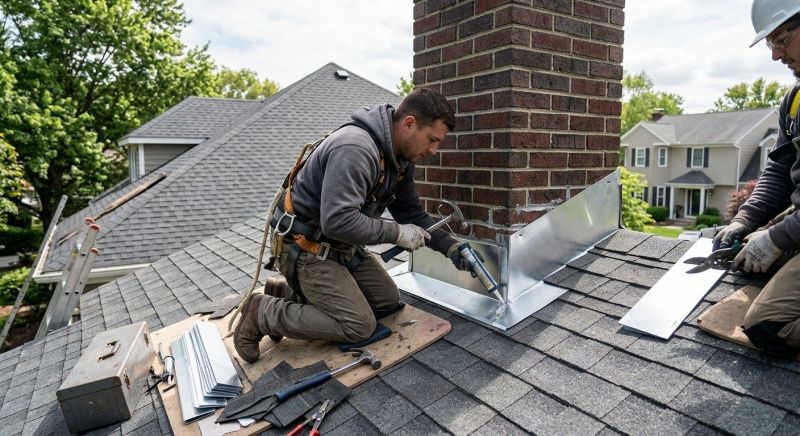
Importance Of Proper Flashing
Effective roof flashing prevents water intrusion around chimneys, vents, and roof intersections.
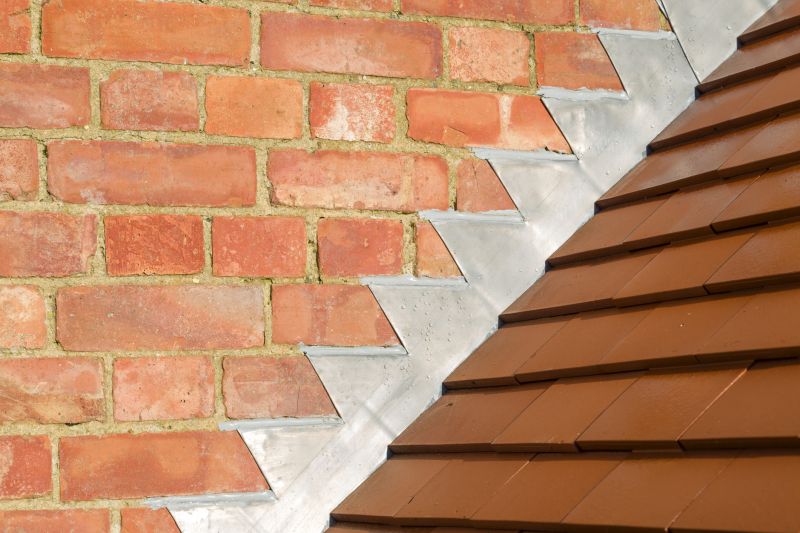
Common Flashing Materials
Materials like metal and rubber are used to create durable, weather-resistant seals on residential roofs.
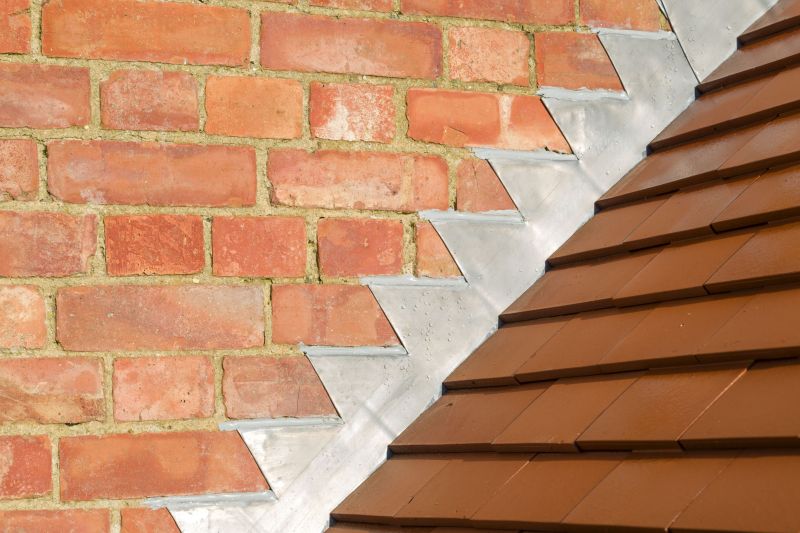
Signs Of Flashing Damage
Leaks, rust, or cracked flashing can lead to roof deterioration and should be addressed promptly.
Roof Flashing Installation in Cape May County, NJ
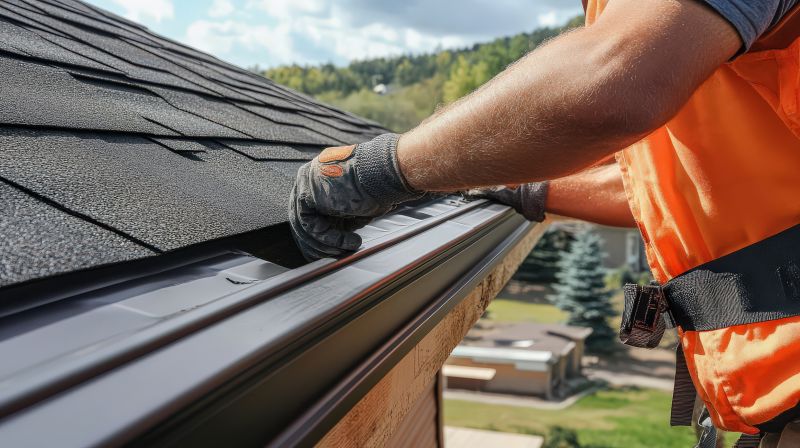
Roof flashing installation involves placing metal or other weather-resistant materials around key areas of a roof to prevent water from seeping into the structure. This service typically covers areas such as chimneys, vents, skylights, dormers, and roof intersections. Properly installed flashing helps protect the home’s interior from water damage, mold, and structural issues, making it an essential component of a durable roofing system. Homeowners often request flashing installation during new roof projects, roof repairs, or when upgrading existing flashing to improve weather resistance and extend the roof’s lifespan.
Before requesting roof flashing installation, property owners usually want to understand the materials used, the areas that require flashing, and how the installation process will be managed to ensure a proper seal against water intrusion. It’s also helpful to know if existing flashing needs to be removed or replaced, and whether the work will be integrated with other roofing services. Clear communication about the scope and materials involved can help ensure the flashing provides long-lasting protection against the elements.
Many property owners in Cape May County, NJ look into Roof Flashing Installation for repairs, replacements, upgrades, and appearance-related improvements.
Common Roof Flashing Installation Jobs
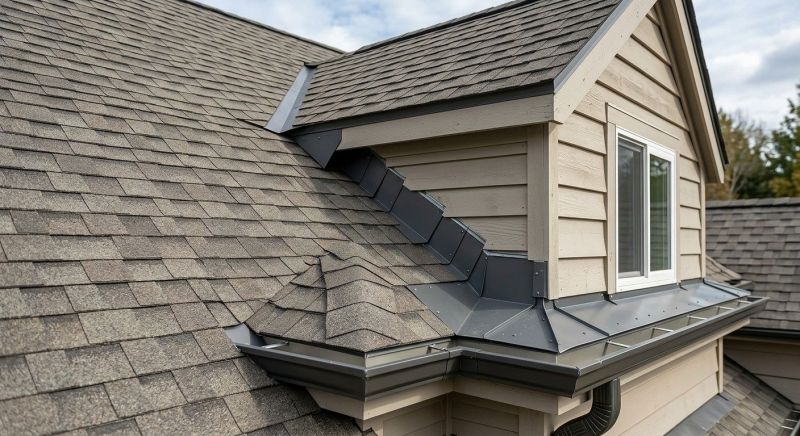
Roof flashing installation involves sealing roof joints to prevent water intrusion around chimneys, vents, and skylights.
Chimney flashing helps protect the area where the chimney meets the roof from leaks and damage.
Valley flashing is installed in roof valleys to direct water away and prevent pooling or leaks.
Vent pipe flashing creates a weatherproof seal around roof vents to keep moisture out of the home.
Step flashing is used along roof edges and walls to provide a durable barrier against water penetration.
Skylight flashing ensures a tight seal around skylights to maintain roof integrity and prevent leaks.
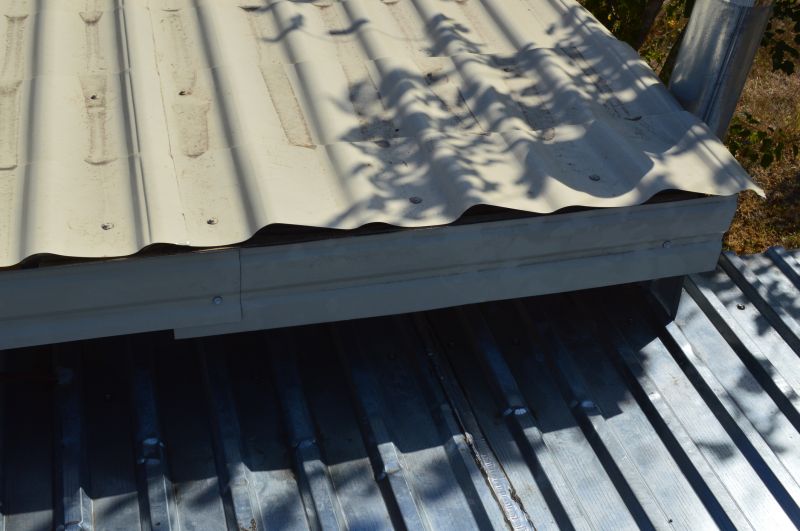
Roof Flashing Installation Questions
What is roof flashing installation? It involves installing metal or other durable materials around roof joints and edges to prevent water intrusion and protect the structure.
Why is roof flashing important? Proper flashing helps prevent leaks, water damage, and extends the lifespan of the roof by sealing vulnerable areas.
What types of projects typically need flashing? Areas around chimneys, skylights, roof valleys, and where the roof meets walls often require flashing installation or repair.
How can I tell if flashing needs to be replaced? Signs include water stains on ceilings, rust or corrosion on flashing, or visible gaps and damage during inspection.
Request Roof Flashing Installation in Cape May County, NJ
Use the quote form on this page to share the basics of your project and request more information for the type of work you need.
